Short answer: yes, Malta is safe — one of the safest countries in Europe, actually. But “safe” doesn’t mean “zero risk” and the honest picture is more nuanced than the tourism boards like to admit. This guide covers real crime data, which neighbourhoods behave differently, how is malta safe changes depending on whether you’re a solo female traveller, a group of lads on a bachelor weekend, or a family with kids — plus the specific risks nobody mentions, like driving chaos and Paceville at 4 AM.
Is Malta Safe? The Quick Answer
Yes. Malta safety ranks consistently high on international indexes. According to the Global Peace Index, Malta sits in the top 25 safest countries in the world, ahead of the UK, France and Italy. Violent crime against tourists is very rare. Homicide rates are among the lowest in the EU. Terror threat level is low. Natural disaster risk is minimal (no earthquakes, no hurricanes, no flooding).
The main thing tourists actually deal with:
- Petty theft in crowded tourist zones — pickpocketing on buses, occasional bag snatches in Valletta and Sliema
- Drunk behaviour around Paceville at 3-4 AM, rarely violent but messy
- Chaotic driving — this is statistically the biggest actual risk you face
- Tourist scams — overpriced drinks in a few Paceville bars, rigged taxi meters (avoid by using Bolt or eCabs apps)
Zero of the above is unique to Malta. Every Mediterranean tourist destination deals with the same stuff, often at worse levels.
Malta Crime Rate vs Other European Countries
If you’re asking is malta a safe country, the numbers back it up. Comparing Malta’s crime statistics to other popular destinations:
| Country | Global Peace Index rank | Homicide rate (per 100k) | Theft risk for tourists |
|---|---|---|---|
| Malta | ~25th (top tier) | ~0.9 | Low |
| Italy | ~35th | ~0.5 | Moderate (tourist zones) |
| Spain | ~30th | ~0.7 | Moderate to high in Barcelona/Madrid |
| France | ~70th | ~1.3 | High in Paris touristy spots |
| UK | ~40th | ~1.1 | Moderate in London |
| Greece | ~55th | ~0.9 | Low to moderate |
Malta’s malta crime rate for tourists is genuinely one of the lowest you’ll find in Europe. Most incidents are opportunistic theft — phones snatched from café tables, wallets lifted on the X2 bus, cars broken into for sunglasses left on the dashboard.
How Safe Is Malta for Different Travellers
How safe is malta depends on who you are and what you’re doing. Not every traveller faces the same risks — here’s the realistic breakdown.
Solo Female Travellers
Malta is safe for solo female travellers — comfortably so. Walking alone at night in Sliema, Valletta or Mellieħa feels safe, even at 1 AM. Public transport is fine, ride-share apps (Bolt, eCabs) are reliable. Catcalling happens occasionally but isn’t aggressive by Mediterranean standards.
The one zone where solo women should stay alert is Paceville late at night — not because of organized crime but because of drunk groups, spiked drinks (rare but reported), and the general chaos of 5,000 hammered people in a 400-metre radius. Simple rules: keep your drink in hand or order fresh, stick to well-lit streets, don’t take a random taxi.
LGBTQ+ Travellers
Malta is one of the most LGBTQ+ friendly countries in Europe. It consistently tops the ILGA-Europe rainbow index, with full legal equality, same-sex marriage, and strong anti-discrimination laws. Public displays of affection in Sliema, Valletta and tourist areas are a non-issue. Smaller villages are more conservative but openly hostile behaviour is genuinely rare.
Families with Kids
Totally safe. Low crime, low traffic chaos in tourist zones, medical care readily available, and Maltese culture is extremely child-friendly — kids are welcome in restaurants until late, families get priority at museums. The only watch-point is summer heat: 35°C in July-August is intense for young kids, and some of the older beaches (rocky sections near Sliema) have sudden drops. Stick to sandy beaches (Mellieħa Bay, Golden Bay) with lifeguards.
Groups & Nightlife Crowds
Bachelor parties, lads trips, hen dos — Malta’s a top destination exactly because it’s safer than Ibiza or Magaluf. That said, alcohol + groups + heat + 4 AM closings = occasional trouble. Malta’s bouncers are professional, police presence in Paceville is constant, and the legal environment is strict. Most “incidents” involve one tourist punching another tourist. Treat Paceville like you would any European party district: stick with your crew, don’t leave drinks unattended, don’t wander off alone at 5 AM.
Is Malta Dangerous in Any Way? Real Risks to Know
Calling Malta dangerous would be wildly overstating it. But there are specific, concrete risks to plan around — none of them catastrophic, but all worth knowing before landing.
Paceville After 3 AM
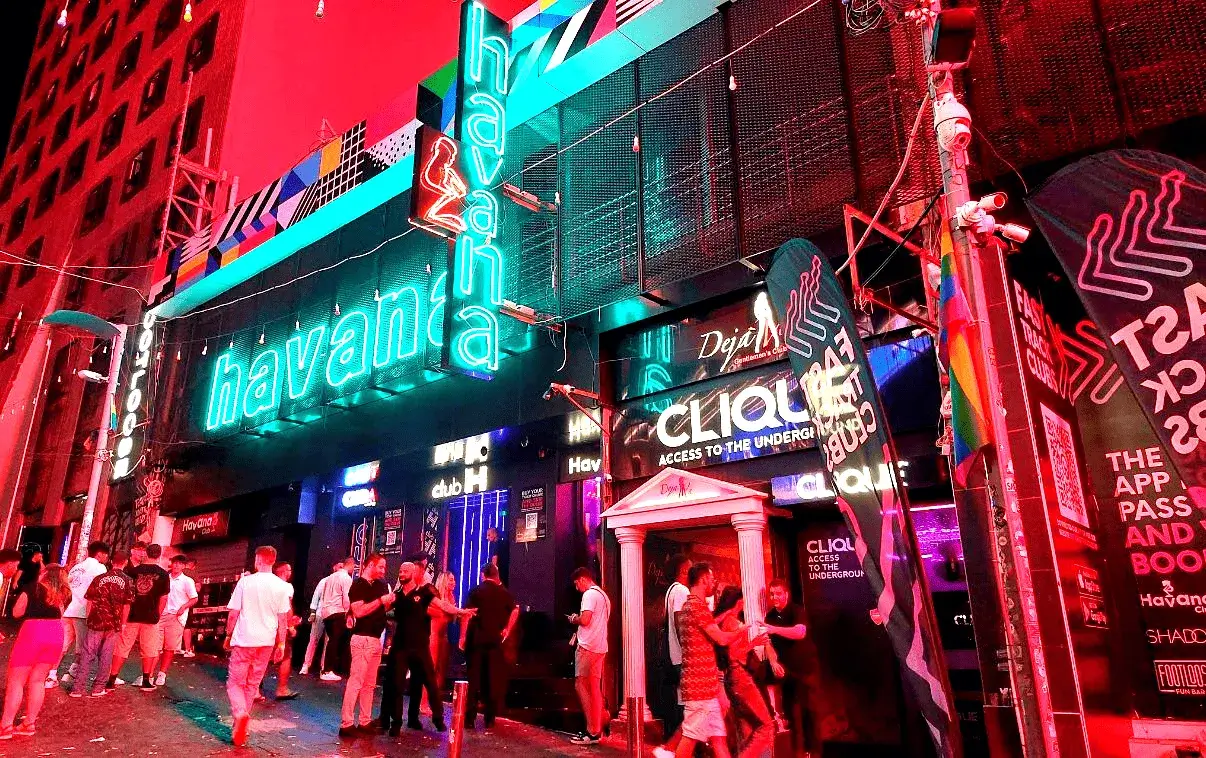
Paceville is the nightlife district in St Julian’s. 40+ bars and clubs packed into 10 blocks, with crowds that peak at 2-4 AM. It’s safer than most UK city centres on a Saturday night, but:
- Groups of drunk tourists occasionally fight each other
- A small number of bars historically have rigged promoters — agreeing to “table service” at the door and finding a €150 bottle bill
- Some taxi drivers outside known venues overcharge — always use Bolt or eCabs apps, never flag an unmetered cab
- Drink spiking is rare but reported — watch your glass, especially if you put it down
None of this is Malta-specific; it’s standard nightlife-district hygiene. Malta police patrol Paceville heavily.
Road Safety & Driving
This is actually the biggest real risk. Malta drives on the left (UK-style), but roads are narrow, signage is patchy, and local driving culture is best described as “creative”. Roundabouts are chaos. Scooter fatalities and pedestrian accidents happen at rates above the EU average.
If you’re renting a car: drive defensively, assume the other guy won’t indicate, use Google Maps. Scooter rental is appealing but the crash rate is nasty — think twice. If you’re walking, use pedestrian crossings; jaywalking is risky because cars don’t always stop.
Petty Theft in Tourist Zones
Mostly opportunistic: bags left on beach while swimming, phones charging unattended on bar tables, cars broken into for small items visible through the window. Valletta Republic Street, Sliema promenade, Blue Lagoon Comino, and buses X1/X2/X3 are the top zones for pickpocketing.
Standard prevention: keep phone in front pocket, zip bags, don’t hang bag on chair-back in cafés, leave nothing visible in a parked car.
Sea & Cliff Safety
Probably the underrated risk. Malta has stunning cliffs that drop straight into the sea, and every year a handful of tourists fall off them trying to get the perfect shot. Notable spots: Dingli Cliffs, Blue Grotto, Azure Window ruins in Gozo. Wind can be stronger than it looks.
Swimming-wise: sandy beaches are safe, but St Peter’s Pool, Blue Lagoon and rocky coasts have currents and slippery rocks. Always check with lifeguards if flags are red or yellow.
Safest Areas in Malta (Where to Stay)
All main tourist zones in Malta are safe. But if you want the absolute lowest incident rate, the top picks among safest cities in malta:
- Sliema — quiet at night, waterfront, good lighting, heavy police presence. Best for solo travellers and couples
- Valletta — the capital, CCTV everywhere, police patrols, calm after 11 PM
- Mellieħa — family zone, low population, zero nightlife issues, feels like a Mediterranean village
- Birgu / Senglea (Three Cities) — historic, residential, very quiet. Locals everywhere
- Gozo (Victoria, Marsalforn, Xlendi) — rural, slow, safest place in the country statistically
Areas to be a bit more alert (not unsafe, just more crowded and chaotic): Paceville (nightlife district — only a concern between 1-5 AM), Bugibba/Qawra centres in summer (pickpocketing more common), and around Marsa/Ħamrun industrial zones (nothing tourists normally visit anyway).
Emergency Numbers & Practical Safety Tips
Save these before you land:
- 112 — EU-wide emergency number (police, ambulance, fire). Works from any phone, no SIM needed
- 191 — Malta police direct
- 196 — Ambulance
- 199 — Fire brigade
- +356 21 250 520 — Mater Dei Hospital (main hospital, 24/7 ER)
- +356 2124 5437 — Tourist Police in Sliema (English-speaking)
Quick practical safety tips:
- Keep a photo of your passport and insurance card on your phone
- Note your embassy’s address and number — Malta is small, most embassies are in or near Valletta
- Register with your country’s travel registration programme (UK: LOCATE, US: STEP, France: Ariane) for major trips
- Get travel insurance that covers medical and cancellation — EHIC/GHIC cards work for EU citizens but won’t cover repatriation
- Don’t leave valuables in hotel rooms; use the safe
- Lock rental car doors while driving — opportunistic bag-grabs at red lights do happen in Sliema
Once you’ve got the safety basics sorted, plan the fun part. Our Malta activities directory covers everything from boat parties to jet ski rentals, and the events calendar shows every club night and pool party by date.
FAQ — Malta Safety Questions Answered
Is Malta safe to travel to right now?
Yes. Is malta safe to travel is one of the top-searched questions about the island, and the answer is consistently yes — Malta has no political instability, no terror events in recent years, no public health crises beyond EU-wide issues, and crime against tourists is low.
Is Malta safe for tourists?
Very. Is malta safe for tourists consistently ranks among the safest Mediterranean destinations. The main risks are petty theft in crowded areas and chaotic driving — no widespread violent crime.
Is Malta safe for solo female travellers?
Yes. Malta is widely considered one of the safer European destinations for women travelling alone. Walking at night in Sliema or Valletta is fine, public transport and ride-shares are reliable, and the main watch-point is Paceville late at night — the same rules you’d apply in any European party district.
What’s the crime rate in Malta?
Malta’s violent crime rate is one of the lowest in the EU. Homicide rate ~0.9 per 100,000 people, far below the EU average. Theft and petty crime exist but cluster in tourist zones — Valletta, Sliema promenade, Blue Lagoon, buses.
Are there any no-go areas in Malta?
Honestly, no. Malta doesn’t have “no-go” neighbourhoods in the sense big European cities do. The industrial zones around Marsa and Ħamrun are unappealing but not dangerous. Paceville at 4 AM is chaotic but policed and not “dangerous” by any serious definition.
Is Malta safe at night?
Yes in 95% of the country. Sliema promenade, Valletta, Mellieħa, Gozo — all safe to walk at night. The exception is Paceville after 3 AM, which is fine with basic common sense (stick with your group, use Bolt/eCabs, don’t leave drinks unattended).
Is Paceville dangerous?
No, but it’s chaotic. 5,000+ drunk tourists packed into 10 blocks on a Saturday night creates occasional trouble — fights, spiked drinks, dodgy promoters. Visit in a group, use apps for taxis, and treat it like any European party district. Violence is rare and police presence is heavy.
What’s the best area to stay in Malta for safety?
Sliema for convenience, Valletta for culture, Mellieħa for families, Gozo for total calm. All are statistically among the safest cities in malta. Avoid basing yourself in Paceville itself unless partying every night is your entire plan.
→ Got the safety basics sorted? Plan the rest with our complete Malta holidays guide